Easter Bunny Filet Crochet Lace Embroidery Design Review
As an embroidery designer prepping for a weekend craft fair, I constantly evaluate new designs through a very practical lens. It's not just about whether a design is pretty; it's about whether it will sell, look good in person, and be efficient to produce. Today, I'm reviewing the Easter Bunnies Lace embroidery file, imagining it as part of a bustling booth filled with aprons, tote bags, pillow covers, and all sorts of giftable handmade items.
First Impressions: Soft, Festive, and Decorative
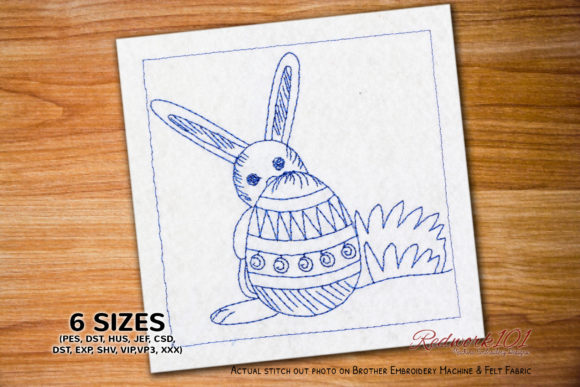
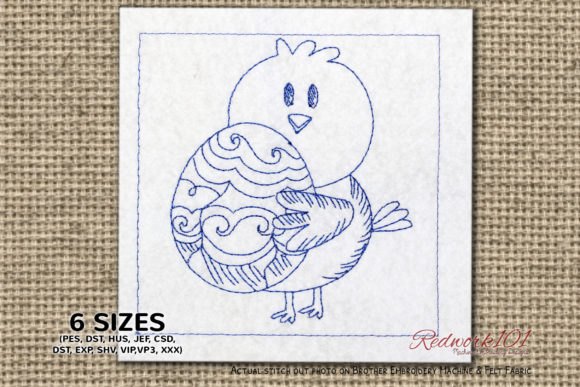
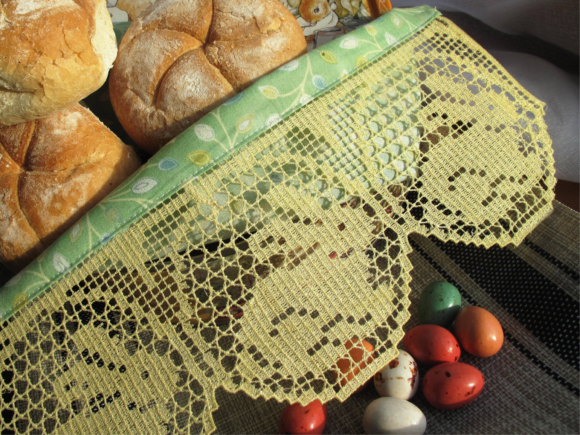
Based on the title and description, Easter Bunnies Lace immediately conjures a specific aesthetic. It’s described as looking like "filet crochet lace manual digitized," which tells me this design leans towards a soft, decorative, and festive style, not bold or minimalist. It likely has an elegant, farmhouse charm perfect for spring holidays. For a craft fair, this mood is a major selling point. Customers browsing for Easter gifts aren't usually looking for funny or modern; they want something that feels traditional, handmade, and special. This design, with its lace and bunny motifs, hits that niche perfectly.
Where This Design Stands Out on Product
Your booth display tells a story. Where does Easter Bunnies Lace fit in? The description says it's perfect for towels, pillows, and tablecloths, but let's think wider for maximum sales impact.
Prime Candidates for High Sales
Tea towels and kitchen linens are a superstar platform. The lace aesthetic aligns perfectly with the rustic, decorative look popular in kitchen textiles. A bunny lace border along the bottom of a flour sack towel instantly elevates it from ordinary to a premium handmade product.
Pillow covers, especially smaller accent pillows, offer a beautiful canvas. The lace design could frame the edges or create a central, delicate panel. On a light-colored linen or cotton, it would look exceptionally elegant and increase the perceived value.
Fabric pouches and market bags are another great fit. Embroidering a length of the lace along the top hem of a zipper pouch or the strap area of a simple tote bag adds a touch of seasonal detail that catches the eye without overwhelming the product.
Considerations for Other Products
Aprons could work beautifully, especially along a pocket edge or the bib trim. However, consider the fabric texture; a thick canvas apron might require a heavier stabilizer to maintain the lace's delicate clarity.
Caps present a challenge due to their curved surfaces. Tiny lace details might lose definition on such a textured, structured base. It’s crucial to test on scrap cap material first.
Embroidered patches are a possibility if the design can be condensed into a smaller, cohesive motif. However, if the lace is intended as a continuous border, it may not suit the typical patch format. The key is whether the design "reads" as a complete bunny lace pattern at a smaller size.
The Practicalities of Production and Sale
Craft fair success hinges on smooth production and products that photograph well for your Etsy listings or small shop website.
Understanding Design Appeal at a Glance
From a customer's perspective, walking past your booth, Easter Bunnies Lace needs to communicate its value instantly. As a lace pattern, it likely works best as a border or accent, not a large central focal point. This is actually a benefit for batch production; you can standardize its placement on towels or pouches, making your booth look cohesive and professional. The "lace of any length" feature mentioned is incredibly practical for adapting to different product sizes.
Photographing for Online Sales
For your Etsy listings and digital store, this design should photograph beautifully. The lace texture and bunny shapes will create interesting detail close-ups. Focus on shots that show the embroidery on a real product—a towel folded next to a vase, a pillow on a couch. This proves the handmade quality and helps customers visualize it in their home. Creating a real physical mockup is non-negotiable here; digital mockups won't capture the true stitch density and texture.
Batch Production Feasibility
Is this design repeatable? If the stitch density is reasonable and the design runs smoothly, producing a batch of, say, twenty lace-edged tea towels is a viable goal. Consistency is key for brand trust. Use the same high-contrast thread colors (likely whites or pastels on darker fabrics, or soft colors on light backgrounds) across all products to strengthen your booth's visual impact.
Careful-Use Notes for the Embroidery Designer
Before you load the embroidery file and start hooping products, there are critical checks every professional makes.
- Test on Scrap Fabric First: Always embroider the design on a piece of the actual fabric you plan to use—whether it's a textured towel, smooth cotton for a pillow, or thick canvas for a bag. This reveals any issues with puckering or clarity.
- Check Thread Contrast: The lace effect depends on visibility. Test on both light and dark fabric scraps to ensure the chosen thread pops. A pastel thread on a white towel might disappear.
- Review Stitch Density and Hoop Size: The description doesn't specify stitch count or hoop size. You must check the embroidery file details yourself. Dense stitch areas in a lace pattern could lead to stiffness on soft fabrics. Confirm the required hoop size fits your intended products—a large border might need a bigger hoop than a small pouch.
- Inspect for Tiny Details: Are there extremely small elements in the bunnies or lace gaps? These might fill in or lose definition on certain fabrics. Running a test is the only way to know.
- Use the Right Stabilizer: For delicate designs on stretchy or textured fabrics (like towels), a sturdy stabilizer is essential to preserve the intricate look.
- Confirm Commercial Licensing: Before selling any finished product at a craft fair or online, verify the license terms of the digital embroidery file. Ensure your commercial use is permitted.
Final Judgment: A Strong Seasonal Asset
From my perspective as a designer preparing for a market, Easter Bunnies Lace is a promising seasonal asset. It taps directly into the decorative, festive demand for Easter without being overly cute or childish. Its greatest selling strength lies on home textiles like towels and pillows, where its handmade, lace quality enhances product value and attracts customers looking for something special. For the creative entrepreneur, its adaptability in length offers production flexibility. However, its success is entirely dependent on thorough real-world testing—on the right fabrics, with the right stabilizer, and in the right context. Done correctly, it can become a standout, repeatable product that strengthens your booth's seasonal appeal and engages buyers looking for that perfect handmade Easter touch.