Heart Breaker Valentine: An Embroidery Designer's Review
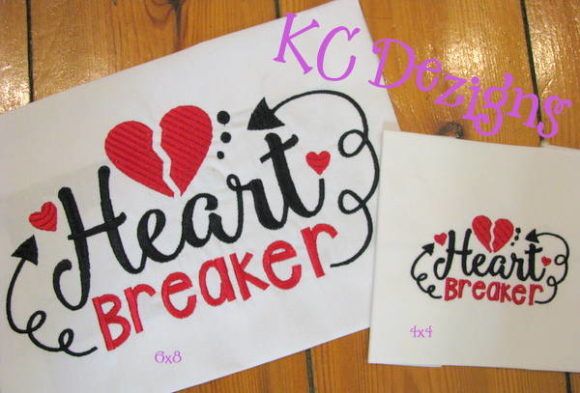
When I first pulled up the Heart Breaker Valentine design on my screen, I immediately smiled. This isn't a shy, predictable little heart. It has a quirky, slightly rebellious personality—playful broken edges, a confident silhouette, and the kind of visual energy that makes you want to stitch it on something right away. As an embroidery designer who tests files for real handmade products, I could already picture this machine embroidery design living on a cozy hoodie, a crisp kitchen towel, or a boutique tote bag headed for a craft fair table. The listing was clear: this is a Valentine Design built for applique, and you will need an embroidery machine and appropriate software to use it. That upfront clarity matters a lot when you're sourcing design assets for customer orders.
The mood of Heart Breaker Valentine feels charmingly nostalgic yet fresh. It isn't overly cute or dripping with glitter; instead, the decorative appeal sits in its confident linework and bold shape. The detail level suggests a balanced mix of satin stitch for the applique border and likely some running stitch or delicate fill stitch work inside to define the heart's playful breaks. It reads like a design that can elevate a handmade product without screaming “mass-produced,” which is exactly the sweet spot for Etsy sellers, boutique owners, and small-batch crafters building buyer trust through visual consistency.
First Impressions: Visual Mood and Stitching Personality
Right out of the digital envelope, this Creative Fabrica embroidery file makes a strong statement. The broken heart motif feels intentional—not like a damaged design but like a heart with character, the kind that tells a mini-story. Stitch personality matters more than some realize. A design that looks flat on the screen can come alive with the right thread colors and fabric choices. Because this is an applique design, you have a lot of creative control. You can mix fabric textures for the applique pieces, choose contrasting thread for the satin borders, and even play with subtle variegated threads to make the heart pop. The decorative appeal is high, but not so complex that it would overwhelm a beginner willing to take test runs seriously.
Without inventing stitch counts, I checked the preview carefully on Creative Fabrica's product page. (I always recommend you do the same—every machine embroidery file behaves differently, and the product page often holds subtle clues about density and scaling.) The design seems to avoid overly tiny elements; I didn't spot micro-lettering or thread-thin details that often cause frustration on textured fabrics. That instantly widens its usability for everyday projects like baby blankets, kitchen towels, or casual sweatshirt embroidery—surfaces where stitching needs to hold up to real life.
Where Heart Breaker Valentine Truly Shines: Project Ideas
When I evaluate any embroidery file, I ask: how many real-world products can this design serve, and will it look intentional on each? Heart Breaker Valentine passes that test with room to spare.
- Custom apparel: It lands beautifully on crewneck sweatshirts, oversized tees, and even the chest pocket area of a denim jacket. The heart's boldness means it reads well from a distance, a huge plus for commercial embroidery products selling at pop-up events.
- Tote bag design: I immediately envisioned it stitched large on a natural canvas tote, perhaps combined with a subtle name underneath. It turns a plain bag into a personalized gift without heavy digitizing effort.
- Kitchen towels and aprons: Seasonal Valentine S Day décor lives on these items. The applique technique works well on towel fabric if you use a proper stabilizer, and the heart motif fits perfectly in a corner or centered for a cafe-style look.
- Baby items: On a soft cotton baby blanket or a crib sheet, a broken heart might seem edgy, but in pastel threads it becomes tender and modern. Nursery decor buyers love designs that aren't overly traditional.
- Caps and patches: A scaled-down version could make an intriguing embroidered patch. However, curved cap surfaces demand extra care—hooping is tricky, and the design's satin border might need density adjustments for non-flat areas. I'd test extensively before offering cap embroidery to customers.
- Pillow covers and home decor: Velvet or linen pillow covers with this applique heart create an instant boutique look for craft fair inventory. Add a short text or leave it as a standalone motif.
- Printable mockup usage: For digital product sellers, pairing the real stitched sample with a printable mockup helps showcase the design beautifully in Etsy listings, increasing customer engagement before a single sale.
The versatility is obvious, but what really matters is how the design performs under needle across these different substrates. That leads to the practical nitty-gritty.
Real-World Embroidery Performance: What to Watch For
Any applique design can look flawless on flat, stable fabric and then misbehave on a stretchy sweatshirt or a loosely woven kitchen towel. With Heart Breaker Valentine, I see a well-considered structure that should behave, but I always plan for the following scenarios:
- Stretchy fabric: For sweatshirt embroidery or tees, use a cutaway stabilizer and float a layer of no-show mesh behind the area. The design's applique step may pull the fabric slightly; good stabilization keeps the edges sharp.
- Dark fabric: The contrast between thread and fabric is critical. On black or navy backgrounds, light-colored applique fabrics and bright satin stitching will make Heart Breaker Valentine glow. Always test thread color contrast on same-fabric scrap before committing to a final product.
- Textured or napped fabric: Towels, fleece, or minky can swallow stitches. I recommend a water-soluble topper in addition to your usual stabilizer to keep the satin stitch from sinking into the pile.
- Dense stitch areas: While the design appears to avoid extreme density, any area where fill stitch meets a tight corner could cause needle breakage if scaling is altered improperly. Check the stitch density in a software preview if you have it, and never assume a design will miniaturize without issues.
- Layered details and tiny lettering: I didn't spot script text, but if the design includes any small decorative elements, they deserve a test stitch immediately. Small voids can close up, especially on fabric with a visible weave. Confirm what you see in the digital file matches the stitched reality.
- Curved cap surfaces: If you plan to sell hats, know that the broken-heart shape might need slight repositioning or density relaxation around the edges. Large applique on caps can buckle. I'd stick to flat-garment applications for reliable, professional results unless you have ample cap embroidery experience.
- Frequent washing: Products like kitchen towels or baby blankets get laundered repeatedly. A high-quality satin stitch border, properly locked down, holds up well. Just be sure to tell customers to wash inside out, and always inspect the final product after a wash test.
On the hoop size front, the Creative Fabrica listing does not specify exact dimensions, so you must check the product page for the compatible hoop size. If you own a machine with a small hoop (like 4x4), confirm whether Heart Breaker Valentine fits without shrinking. For commercial production, a 5x7 or larger hoop often gives you flexibility to group multiple pieces. I prefer to test a design in the exact hoop I'll use for batch runs, because even slight resizing can alter stitch angles or density, and not all files resize gracefully.
How This Design Lifts Product Value and Brand Consistency
From a business standpoint, an embroidery design isn't just thread on fabric—it's part of your brand story. Heart Breaker Valentine brings a few value-adds that make it easier to sell finished product with confidence.
- Buyer trust: When a customer sees a clean, well-executed applique heart on a garment, they infer quality in the rest of your offerings. A design that stitches out consistently (after proper testing) reduces returns and hesitations.
- Giftability: A broken heart might sound bittersweet, but the playful execution makes it a great gift for a partner, a best friend, or even a self-love treat. It makes a stronger statement than a generic solid heart, which can feel mass-produced. This means higher perceived value at craft fairs and on Etsy.
- Visual appeal in photography: Flat-lay photos with good lighting show off the texture of the applique fabric and the shine of the satin stitch. That contrast leads to better click-through rates on product listings. If you create a printable mockup or style a lifestyle shot (say, the tote on a café chair), the design's distinct personality catches the eye faster than a plainer motif.
- Brand consistency: Because the design's style is versatile, you can build a mini-collection around it—pair it with a coordinating monogram, scale it down for a wristlet, enlarge it for a wall banner—and keep your boutique merchandise looking intentional, not scattered.
- Customer engagement: Seasonal Valentine S Day designs trigger impulse buys and gift searches. Having this design stitched on sample items (even a few physical mockups) lets you run targeted social media posts that feel authentic rather than overly pushy.
All of this depends, however, on a specific kind of integrity: using the file according to the licensing terms on Creative Fabrica. Before selling any finished item, I strongly suggest reading the product page's license section thoroughly. Commercial embroidery rules vary by design, and you don't want to invest in materials and time only to discover a restriction. It's a small step that protects your handmade business and respects the designer's work.
Sensible Embroidery Checklist Before You Ship
Whenever I bring a new digital embroidery file into my workflow, I follow a routine that saves me from wasted blanks and disappointed customers. Here's exactly what I do before approving any design—including Heart Breaker Valentine—for production:
- Test on scrap fabric first, always. Use the same fabric type and color you plan to sell. A tote bag mockup on cheap muslin won't represent sturdy canvas. Get real about the final fabric.
- Check thread color contrast. What looks harmonious on screen might wash out on fabric, or an apparently subtle thread may turn into a glaring outline. Stitch a quick sample and hold it under natural, booth, and indoor lighting.
- Review stitch density and sequencing. If you have embroidery software, open the file and step through the order. Make sure the applique tack-down happens before the satin border, and that there aren't any mysterious long jumps that cause thread breaks.
- Confirm hoop size and fit. Revisit the Creative Fabrica product page. If dimensions aren't listed, measure the design in your software and ensure it comfortably fits your smallest hoop with some clearance for movement.
- Compare on light and dark fabric mockups. An applique heart that pops on white might recede on charcoal. I often do two test-outs simultaneously to select the best combination for my product line.
- Use the right stabilizer combination. For tote bag design or custom apparel, cutaway is my default. For stretchy sweatshirt embroidery, I add a fusible mesh. For towels, a tear-away plus topper. Don't guess—test.
- Inspect small details after stitching. Look at every curve, every apex of the heart's breaks. If a satin stitch is pulling or a corner looks blunt, adjust tension or density before running a batch.
- Confirm file details and licensing. The description says you need an embroidery machine and appropriate software. Ensure you have both. Then verify the exact file formats you're buying and that your machine can read them. Check the license: is physical product sale allowed? Is there a limit on quantities? The answers live on the product page, and they are non-negotiable for commercial stability.
Is Heart Breaker Valentine Right for Your Embroidery Bench?
After working through the mental checklist and test-stitch logic, I see Heart Breaker Valentine as a genuinely useful addition to a maker's collection—especially if your audience loves seasonal gifts with a hint of edge. The design works with a range of thread colors and applique fabrics, making each final piece feel like a custom small-batch creation, which it is. For Etsy sellers hunting Valentine S Day listings that stand apart from dozens of plain hearts, this offers an easy creative upgrade. For craft fair regulars, it stitched quickly onto a simple apron or throw pillow adds immediate visual appeal without a production headache.
It isn't a magical one-click solution, of course. You must still respect the embroidery basics: verify the hoop size, test your materials, and never assume a design will translate perfectly to every fabric you own. But when you treat design selection as the first step in a thoughtful handmade process, Heart Breaker Valentine rewards you with a stitching personality that feels intentional and confident. And in the world of custom apparel and embroidered goods, that confidence is what turns a browser into a buyer.