Leaf Pattern Redwork Embroidery: A Designer's Practical Review
As an embroidery designer preparing a collection for a personalized gift shop, I always test new embroidery designs on scrap fabric first, imagining them as finished products. Today, I'm reviewing the Leaf Pattern Redwork embroidery design. This isn't about abstract specs; it's about picturing it stitched on a baby blanket, a kitchen towel, or a wedding keepsake pillow. How does it perform? What kind of customer would be drawn to it? Let's walk through that process.
First Impressions: Sweet Simplicity with Classic Charm
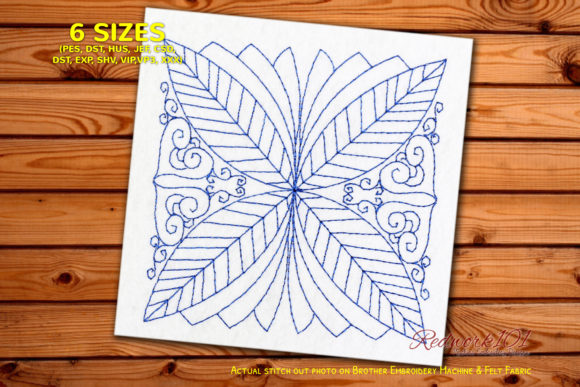
The Leaf Pattern Redwork design immediately strikes a mood of sweet, classic elegance. It feels handmade and timeless. Redwork, with its single-color focus, has an inherent warmth and clarity. This particular leaf motif is gentle and detailed, carrying a romantic, slightly nostalgic charm. It's not overly playful or modern, but it has a quiet emotional appeal perfect for meaningful gifts. It feels like a design that whispers rather shouts, ideal for creating a personal connection.
Versatility for Personalized Gift Products
This embroidery file shines in its versatility. I envision it across many product categories that gift shop owners and Etsy sellers frequent.
- Baby & Nursery: For baby embroidery, this leaf pattern would be exquisite on a blanket corner, a simple bib, or a nursery pillow cover. It feels gentle and natural.
- Wedding & Keepsakes: As a wedding gift, embroidered on a linen pillow cover or the cuff of a kitchen apron, it becomes a lasting, elegant token.
- Home & Family: For personalized towels, tote bags, or aprons, it elevates a everyday item into a special handmade product.
- Craft Fair & Small Shop Products: Its classic appeal makes it a reliable choice for embroidered towel sets or pillow covers at craft fairs, attracting customers looking for quality custom embroidery.
The key is its adaptability. Using printable mockups or digital previews, you can show customers how this Leaf Pattern Redwork would look on a dark linen tote versus a light cotton baby shirt, increasing buyer engagement.
Careful Application: Where to Pay Attention
Every embroidery design has its considerations. For this leaf pattern, success depends on mindful application. Here’s where I’d advise caution.
- Delicate Details: The detailed lines of the leaves need a suitable fabric. Test on scrap first. Avoid very textured or overly thick fabrics like some terry towels where fine lines might get lost.
- Small Scale & Lettering: If incorporating small personalization lettering near the design, ensure your machine and stitch density can handle it cleanly.
- Fabric Challenges: Stretchy baby clothes require excellent stabilizer. Dark fabric demands careful thread color contrast selection—perhaps a deeper red. Curved surfaces, like on a bag, need secure hooping.
- Product Durability: For items needing frequent washing, like kitchen towels, confirm the stitch density is robust and use durable threads.
The Giftability Factor: Building Trust and Value
How does Leaf Pattern Redwork affect the final product's appeal as a gift? Strongly. Its handmade quality is evident. The perceived value of an item featuring this design is high because the elegance feels intentional, not generic. This builds customer trust—they see a thoughtful, well-executed custom embroidery.
The emotional connection is direct. A leaf pattern can symbolize growth, nature, family roots, or simple beauty, making the gift narrative easy for the buyer to articulate. For product photography, the clean redwork stands out beautifully against both light and dark backgrounds, making your Etsy listings or small shop product photos more engaging.
Practical Embroidery Notes for Success
Before running this design on a customer order, my checklist is practical.
- Always test on scrap fabric identical to the final product material.
- Check thread color contrast against your actual fabric, not just a screen preview.
- Confirm the required hoop size is suitable for your intended product. The design description mentions the Stitch Box shown is optional and the outer box color may vary, so note your machine's framing.
- Review stitch density by stitching a sample. Is it appropriate for your fabric—too dense for a delicate linen, or perfect for a cotton pillow?
- Use the proper stabilizer for the fabric weight and texture.
- Compare light and dark fabric mockups digitally to anticipate customer preferences.
- After stitching, check small details closely. Are the leaf veins crisp?
- If selling finished products, confirm commercial licensing for this digital embroidery file before proceeding.
Missing specific details like exact stitch count or file format? The product description doesn't list them, so I always advise fellow crafters and small business owners to verify these with the design provider before use.
Final Thoughts for the Gift Creator
From my point of view as a designer reviewing for a gift shop, Leaf Pattern Redwork is a strong candidate. It belongs in the paisley category of embroidery for its organic, decorative flow. It offers a warm, classic aesthetic that translates well into personalized gifts. It attracts customers looking for elegance without extravagance—parents wanting a special baby embroidery, a friend choosing a wedding gift, or someone seeking a family keepsake.
Its success hinges on your careful preparation: testing, stabilizing, and matching it to the right product. When done well, an embroidered towel, blanket, or pillow cover featuring this design becomes more than an item; it becomes a story stitched in red thread, ready to be given and cherished. That’s the ultimate goal for any handmade product, and this design helps achieve it.