A Craft Fair Seller's Guide to the Smiling Donkey Head Redwork Design
As an embroidery designer preparing for a weekend market, every new design needs to be judged not just on aesthetics, but on its real-world selling power. The Smiling Donkey Head Redwork design is one of those entries that immediately catches the eye in a product lineup. This review will walk through its potential on the craft fair floor, focusing on where it shines and how to turn it into a profitable, handmade product.
First Impression: Where This Design Fits in Your Booth
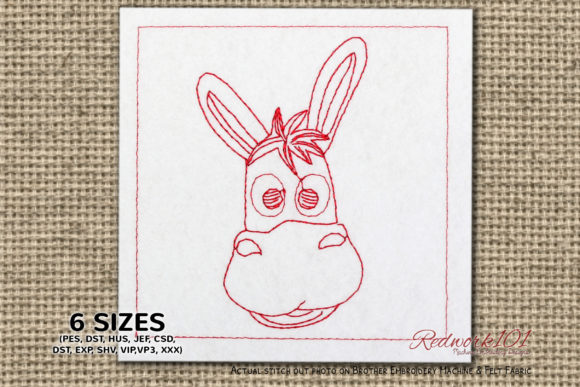
The title Smiling Donkey Head Redwork tells you exactly what you’re getting: a friendly, approachable animal motif with a classic redwork aesthetic. It leans strongly into the rustic, farmhouse, and cute categories. This isn't a minimalist or overly elegant design; it’s charming and decorative. That mood is a huge advantage at a craft fair. It feels giftable, approachable, and taps into a beloved animal theme without being overly childish. In a category like Wild Animals, this friendly expression stands out against more fierce or realistic wildlife designs, appealing to a broader, perhaps more nostalgic, customer base.
Imagine your table: a mix of embroidered tote bags, aprons, tea towels, and pillow covers. The Smiling Donkey Head Redwork would act as a strong focal point on items meant for the home or kitchen. Its clear, smiling character makes it easy to understand at a glance from a few feet away—a critical factor for busy market shoppers who are scanning booths quickly.
Product Performance: Where to Place This Embroidery Design
Not every machine embroidery design works on every product. Here’s how I see this one performing across typical craft fair inventory.
Top Tier Products
For the Smiling Donkey Head Redwork, your best bets are:
- Tea Towels and Aprons: The farmhouse cute vibe is perfect for kitchen textiles. It feels heritage-inspired and functional.
- Pillow Covers: As a decorative home accent, this design adds a touch of whimsy without overwhelming a space.
- Tote Bags and Market Bags: On a bag, the design becomes a cheerful statement. It’s large enough to be noticeable and reinforces a handmade, crafty quality.
- Embroidered Patches: This could be a fantastic standalone embroidered patch. The clear lines and smiling face make it a great accent for jackets or bags, appealing to a different customer segment.
Consider With Care
Some products require a bit more testing:
- Caps: The curved surface of a cap can distort designs. You’d need to test the hoop size and placement to ensure the donkey's smile remains clear and doesn't get lost in the seam area.
- Small Pouches: If the pouch is very small, the design might need to be scaled down. Beware of tiny details losing clarity at smaller sizes.
- Dark Fabric: Redwork traditionally uses red thread on light fabric. On dark fabric, you’d need to carefully select a high-contrast thread color to maintain the design's visibility and charm.
Practical Production & Selling Points
Turning a digital embroidery file into a sellable handmade product involves practical hurdles. Here’s what to consider for batch production.
The design description notes that "The Box Stitch shown in the picture is optional." This is a valuable piece of flexibility. For a faster, cleaner look on items like tea towels or tote bags, skipping the outer box can make the smiling donkey head itself the pure focus, potentially speeding up production. On a craft fair product where you might be making dozens, every stitch saved matters. However, on a pillow cover where you want a more framed, decorative feel, including the box might add value.
Stitch density and fabric texture are key partners. This design appears to have clean lines, which is good. However, always test the design on scrap fabric first—especially textured towels or dense canvas for tote bags. Check the thread contrast and review spacing. Does it look crisp? Using the right stabilizer is non-negotiable to maintain that quality on different materials.
For Etsy sellers and online listings, how it photographs is crucial. A smiling, character-based design like this photographs well. It’s emotionally engaging even in a printable mockup. Creating at least one real mockup, however, is essential. Compare fabric colors in natural light. A real photo of the design on a tea towel or apron will always outsell a digital mockup in convincing customers of the handmade quality.
Careful-Use Notes for Quality Consistency
To protect your brand consistency and ensure every item feels premium, heed these notes.
- Scale Wisely: As a focal design, it likely works best at a medium to large size. Scaling it down too much for a small accent (like on a cap) risks losing the impact of that friendly smile.
- Batch Production: The simplicity of the core motif (if the optional box is omitted) makes this design feel repeatable for batch production. You can efficiently run multiple items without excessive thread changes or overly long stitch times.
- Booth Display Strength: In your booth, group products featuring the Smiling Donkey Head Redwork together. A stack of embroidered tea towels, a displayed apron, and a tote bag hanging nearby create a theme. This repetition catches customer attention and tells a clear story about your style.
Final Designer Advice Before You Stitch
Your goal is to transform this embroidery file into products that engage buyers and feel worth their money. The Smiling Donkey Head Redwork has inherent visual appeal due to its subject and expression. It can increase product value by turning a simple tea towel into a unique, artisan item.
Before committing to a full production run:
- Check all technical details not provided here: confirm the exact hoop size compatibility for your intended products.
- Inspect the stitch density on your test scrap—is it suitable for your chosen fabric, or will it require adjustments?
- Most critically, confirm commercial licensing before selling finished products. Ensure your digital embroidery file purchase includes the rights for commercial embroidery and selling at craft fairs or in your small shop.
With its friendly charm and rustic vibe, the Smiling Donkey Head Redwork is a strong contender for your next market. By placing it on the right products and producing it with care, you can create a lineup of items that not only look good in person but also have the practical durability and appeal to sell successfully from your handmade booth.