Farmhouse in Hills Redwork: A Craft Fair Design Review
When preparing a collection of handmade goods for a craft fair or an online shop like Etsy, selecting the right embroidery design is a critical first step. It's not just about aesthetics; it's about salability, production efficiency, and how the finished product feels in a customer's hands. Today, I’m reviewing the Farmhouse in Hills Redwork Design from this very practical, commercial perspective.
First Impression: Quiet, Rustic Charm
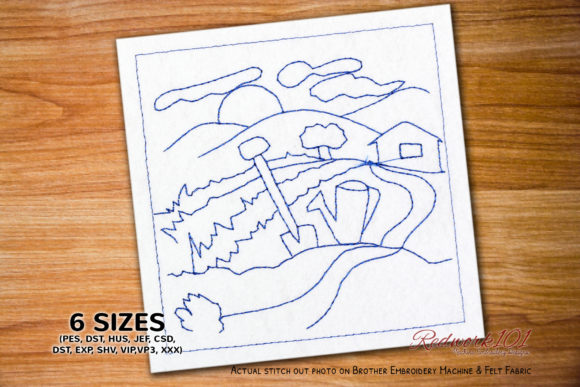
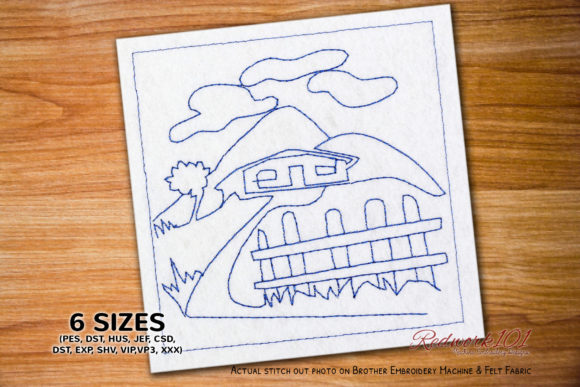
The title alone—Farmhouse in Hills Redwork Design—sets a clear expectation. This isn’t a bold, graphic piece or a humorous slogan. It evokes a sense of quiet, rustic charm, a decorative and timeless scene. The "redwork" style suggests a classic, often single-color embroidery approach, which aligns perfectly with a farmhouse aesthetic. This gives the design an immediate advantage in a crowded marketplace: it feels nostalgic, handcrafted, and premium without being overly ornate.
Where This Design Stands Out in Your Booth
Imagine your table display: tote bags, aprons, tea towels, pillow covers, and small fabric pouches. A design like this needs to find its natural home. Farmhouse in Hills Redwork Design would shine on items where its decorative, scenic nature adds value without overwhelming the product’s function.
- Tote Bags & Market Bags: As a large focal point, it creates a beautiful, artistic bag. It signals a handmade, boutique quality.
- Tea Towels & Aprons: Perfect for kitchen textiles. The farmhouse theme is directly relevant, and the design acts as a lovely accent rather than just a logo.
- Pillow Covers: This is a prime application. The design transforms a simple pillow into a decorative home accent, increasing its perceived value significantly.
- Embroidered Patches: While possible, careful scaling is needed. The hill and farmhouse details must remain clear at a smaller size.
- Caps & Curved Surfaces: Less ideal unless simplified. Complex scenes can distort on curved cap fronts and may lose detail.
For your booth samples, placing this design on a high-quality linen tea towel or a minimalist canvas tote creates an immediate "story." Customers looking for a gift or a special home item will notice it.
Practical Production Considerations
Turning a digital embroidery file into a batch of sellable products requires foresight. Here’s how Farmhouse in Hills Redwork Design measures up.
Stitch Density and Fabric Choice
Redwork often implies outline or satin stitch work. If the design has dense areas representing hills or the farmhouse itself, test it on your intended fabrics. Textured towels or dark fabrics demand high thread contrast. Always test on scrap fabric first. Check the stitch density for thick fabrics like canvas; too dense, and it becomes stiff.
Scaling and Clarity
This is a scenic design. Its success depends on clarity. As a small accent on a pouch, tiny hill details or window lines might blur. As a large design on a pillow, it will be magnificent. Before batch production, create at least one real mockup at your intended hoop size. Inspect the smallest details. Does the farmhouse remain recognizable?
Photographing for Online Sales
For your Etsy listings or printable mockups, this design photographs well. Its illustrative nature is clear even in small thumbnail images. A clean, single-color (or limited color) palette makes it look professional and cohesive, aiding your shop’s brand consistency.
Selling Power and Customer Engagement
At a craft fair, customers touch products. The handmade quality of embroidery adds tangible value. Farmhouse in Hills Redwork Design leverages this. It doesn’t look mass-produced. It feels like a story stitched into fabric, which encourages an emotional connection. It’s likely to attract customers interested in farmhouse decor, rustic gifts, or simply beautiful craftsmanship.
It also supports repeatability for batch production. If the stitch count is reasonable and the design doesn’t require constant color changes, you can efficiently produce multiple tea towels or tote bags, ensuring your booth has ample stock of a strong seller.
Essential Designer Notes Before You Stitch
As a final checklist before you load the embroidery file and start producing your craft fair products, run through these points.
- Confirm the Design Elements: The description notes "The Box Stitch shown in picture is optional. The color of outer Box is different color… you can skip the color directly." This suggests flexibility. Decide if the bordering box suits your product. On a minimalist tote, skipping it might create a cleaner look.
- Thread Contrast: Choose a thread color that pops on your fabric. On natural linen, a classic red or deep blue for the "redwork" could be stunning.
- Hoop Size & Stabilizer: Match the design size to a practical hoop for your products. Use the correct stabilizer for the fabric texture—critical for tea towels and bags to prevent puckering.
- Commercial Licensing: Always verify that your digital embroidery file is licensed for commercial use before selling finished products. This is a non-negotiable step for any small shop product.
- Compare Fabric Colors: Stitch a sample on the exact fabric colors you plan to use (cream, white, slate, etc.). The design’s mood can change dramatically with background color.
The Final Verdict for Creative Entrepreneurs
Farmhouse in Hills Redwork Design is a strong contender for your handmade product line. It offers decorative, thematic appeal that aligns with popular farmhouse styles, making it highly marketable on items like pillow covers, tea towels, and tote bags. Its potential for batch production and good photographic clarity makes it a practical choice for both craft fair booths and Etsy shops. By carefully testing its scale and stitch density on your chosen fabrics, you can transform this digital design asset into a collection of finished products that feel premium, handmade, and utterly sellable.