Box Truck Bluework: A Transportation Embroidery Design Review
The First Glance: Simple Charm with a Touch of Nostalgia
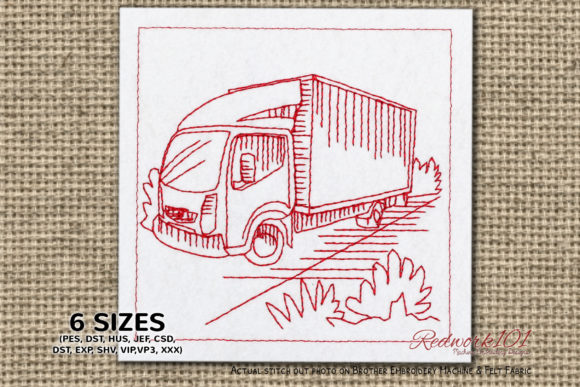
My first reaction to the Box Truck Bluework embroidery design was a smile. It’s a clean, friendly, and instantly recognizable motif. The shape is straightforward—a classic truck silhouette—but the use of what I’ll call “bluework,” akin to a blueprint style with contrasting outlines, gives it a modern yet timeless feel. It doesn’t scream with aggressive detail; it whispers with confident simplicity. This is a design with a calm, approachable personality. It creates a mood of reliability and nostalgic charm, perfect for folks who have a connection to transportation, logistics, or simply appreciate a well-designed vehicle icon.
This visual personality tells me it belongs to projects where the story is quiet but meaningful. Think of a custom embroidered tote bag for a delivery driver’s lunch break, or a subtle patch on a denim jacket. It wouldn’t overpower a baby’s romper but could add a sweet, personalized touch for a child whose parent is in the trucking industry. The layout is balanced, and the detail level appears manageable—no overly tiny elements that would vanish on textured fabrics. It feels like a design ready for work.
Where This Design Finds Its Best Home
In practical terms, Box Truck Bluework is versatile. For custom apparel, I’d lean towards mid-weight fabrics first. A cotton sweatshirt or a canvas apron would be ideal canvases. The design would stitch out with clarity, becoming a standout feature without being too dense. I can easily envision it as a centerpiece on a pillow cover in a home office or a garage lounge area, or as a single, handsome motif on a tea towel in a kitchen that loves a rustic theme.
For small business merchandise or Etsy listings, this design holds strong potential. Its theme is specific enough to attract a niche audience—trucking enthusiasts, logistics companies, transportation-themed gift buyers—but its execution is clean enough to appeal to general craft lovers. As an embroidered patch, it could be a hot item at craft fairs, easily applied to bags or caps. For holiday gifts, imagine it on a cozy blanket for a grandfather who drove rigs, or monogrammed with a name on a baby blanket for a new arrival in a trucking family. The value it adds is in its authenticity; it feels handmade and thoughtful, not generic.
Considerations for a Professional Finish
While versatile, a designer’s eye sees where to apply caution. The outer box, mentioned as being a different color, will be a key contrast element. On dark fabric backgrounds, that contrast will be crucial for visibility—you’ll need to ensure the thread colors pop. I would avoid using it on very stretchy fabric like thin t-shirts without rigorous stabilizer testing, as the outline integrity is important. Similarly, on curved surfaces like caps, the rectangular truck shape might require careful hooping and stabilization to prevent distortion.
The design’s clarity and stitching clarity are its selling points, so preserving that is paramount. For products needing frequent washing, like kitchen towels or baby items, a robust stitch density in the fill areas will ensure longevity. Always, always test the design on scrap fabric first, matching the exact fabric and stabilizer combination of your final project. This tells you if small details hold up and if the overall hoop size feels right.
Building Customer Trust Through Design Integrity
From a business perspective, using a design like Box Truck Bluework well affects more than just aesthetics. When a handmade product features a clean, well-proportioned embroidery, it communicates professionalism. It tells your customer that you care about the craft. This builds customer trust. For giftability, a design that is neither too flashy nor too plain hits a sweet spot—it feels special and chosen with care.
For Etsy sellers and creative entrepreneurs, this design can become a reliable part of your brand consistency if you serve a transportation-themed niche. It helps with buyer engagement because it’s easily recognizable in printable mockups and digital product previews. However, a key note: the product description mentions the design is for both casual wear and trucking outfits. This implies broad applicability, but as a reviewer, I advise confirming the specific licensing before selling finished items or using it in commercial embroidery projects. Know the rules for your digital embroidery file.
Practical Designer Notes Before You Hoop
Here’s my checklist before I’d run this machine embroidery design for a client or my own shop:
- Check thread color contrast thoroughly. The “bluework” style likely relies on light and dark interplay.
- Review stitch density in the file preview if possible. Dense fills on delicate fabrics like thin polos can be problematic.
- Confirm hoop size requirements. While not specified here, a design of this scale likely needs a mid-sized hoop, but verify before starting.
- Inspect small details like the truck’s cab and wheel outlines. Will they stitch cleanly on your chosen fabric texture?
- Test it in black and white mockups to see how it reads without color, a good test for form and shape.
- Compare light and dark fabric backgrounds mentally. This design could shine on both, but thread choices will differ.
- Always use the proper stabilizer. This is non-negotiable for professional results.
- Finally, check whether the design works for both personal and commercial projects based on its license. This protects your craft business.
The Final Impression: A Reliable Design Asset
Box Truck Bluework strikes me as a design asset with solid foundations. It’s not the most complex embroidery project, but that’s often a strength. Its success will come from pairing it with the right finished product—where its nostalgic, friendly transportation theme resonates. Whether you’re stitching it onto a custom apparel item for a gift, producing a series of embroidered patches for your small shop product line, or offering it as a personalized gift for a trucking family, its practical, clean execution will translate into customer satisfaction. Approach it with a designer’s mindful preparation, and it will reward you with a crisp, charming result that feels both handmade and professionally crafted.