Cheetah Race Cars Redwork Design: Hands-On Review
Redwork has a quiet kind of magic. It does not shout for attention the way dense, multi-colored fills often do. Instead, it pulls you in with clean lines and a nostalgic hand-stitched feel. When I first opened the Cheetah Race Cars Redwork Design file, I immediately pictured it on a soft cotton tee, maybe peeking out from under a denim jacket collar, or centered on a canvas tote bag that a kid would drag everywhere. The theme blends two things children reliably adore: fast cars and wild animals. That combination alone gives this design a playful, energetic personality without tipping into anything overly busy.
What struck me right away was the linear clarity. Redwork lives or dies by how well the outline reads, because there is no dense fill to hide behind. If the linework gets muddy, the whole design loses its charm. In this case, the cheetah shapes and car contours feel distinct. The motifs have that storybook illustration quality that works wonderfully in the Embroidery world, especially for personalized gifts and children's products. I could already imagine a customer seeing it on a nursery pillow cover and smiling before they even touch the fabric.
First Impression and Visual Personality
There is a breezy confidence to this design. The cheetah spots, the curved car bodies, the sense of motion in the wheel shapes: all of it lands somewhere between vintage storybook art and modern playful decor. The Transportation element is unmistakable, but it never feels overly technical or gendered. That is a real advantage if you are building inventory for a craft fair or an Etsy shop. A design that appeals broadly without leaning too hard into a single niche tends to sell more consistently.
Because this is redwork, the mood shifts depending heavily on your thread choice. A classic red on natural linen gives it that timeless folk-art feel. A deep navy on a cream background turns it into something a little more contemporary and boyish, while a burnt orange or terracotta thread leans into the cheetah theme itself. I appreciate designs that leave room for the maker to interpret them, and this one absolutely does.
How This Design Actually Stitches Out
Before committing any design to a client project or a batch of shop inventory, I always run a test stitch on a midweight cotton. For the Cheetah Race Cars Redwork Design, I hooped a piece of natural cotton twill with a medium-weight cutaway stabilizer and used a 40-weight polyester thread in a warm rust color. The result was cleaner than I expected for a design with this much curved detail.
The cheetah silhouettes read immediately. The spots inside the body shapes stayed crisp, even where they sit close to the outer contour line. In redwork, there is a real risk of small internal details collapsing into the border stitch if the density is not tuned well. Here, the spacing felt intentional. The car outlines held their shape nicely, including the wheel arches, which can sometimes distort if the stitch angle shifts too abruptly. I did not see any significant pulling or puckering on the twill, and the back side was neat enough that I would feel comfortable putting this on a lightweight sweatshirt with a layer of no-show mesh stabilizer behind it.
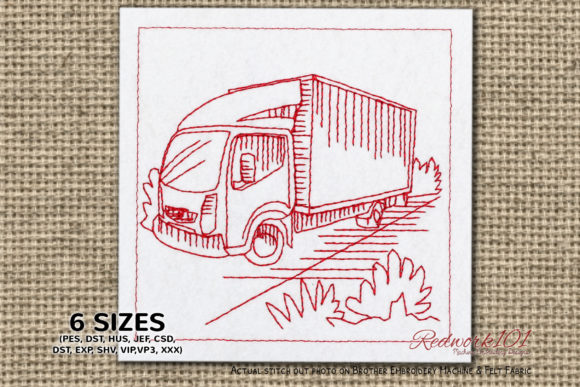
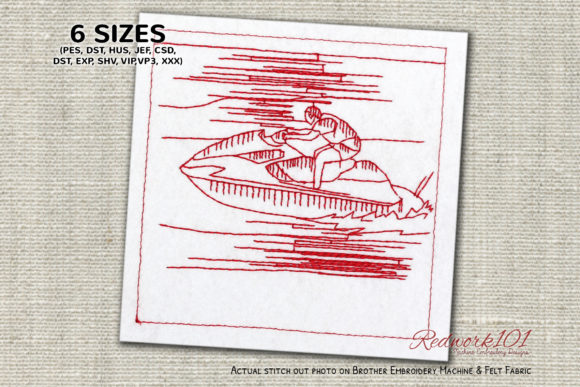
One detail worth noting: the product description mentions that The Box Stitch shown in the picture is optional. I tested the design both with and without the outer box, and honestly, I preferred it without the box for most applications. The box can work well if you want a framed, patch-like look on a tote bag or a structured placement on a pillow cover. But skipping it lets the design breathe and feel more integrated into the garment. The description also notes that the color of the outer box is a different color in most of the designs unless it is part of the design itself, you can skip the color. That is useful flexibility. If you do keep the box, pick a thread color that either matches your fabric or contrasts deliberately. A muddy middle-ground color will weaken the overall impact.
A Real Project Scenario: Craft Fair Tote Bags
Let me walk you through how I actually used this design, because theory only gets you so far. A friend who runs a small handmade shop asked me to create a small batch of children's tote bags for an upcoming market. She wanted something for the younger crowd, roughly ages three to eight, that felt adventurous but not cartoonish. I immediately thought of the Cheetah Race Cars Redwork Design.
I stitched it onto six natural canvas totes, each roughly ten by twelve inches, positioning the design slightly above center to leave room for a name underneath. I used a soft charcoal thread on four bags and a warm ochre on the other two, skipping the outer box so the cars and cheetahs floated on the fabric. On the charcoal versions, I added a single initial below the design in a simple backstitch font. Those bags sold out on the first day of the market. Parents kept picking them up, running their fingers over the stitching, and smiling at the cheetah shapes. One buyer asked if I could do a matching zipper pouch. That is the kind of reaction you want from a design: it sparks ideas, not just purchases.
Where the Design Performs Best
Through testing and the tote bag project, I formed a clear picture of where this design shines and where it needs a bit more caution. It is not a one-size-fits-all solution, and responsible makers should understand both sides before listing a finished product.
Here is where I would confidently use the Cheetah Race Cars Redwork Design:
- Tote bags and canvas pouches: The flat weave holds the redwork beautifully, and the design scale works well on medium-sized bag faces.
- Children's t-shirts and sweatshirts: With proper stabilizer, the stitch sits smoothly on cotton jersey and French terry. The theme is perfectly suited for kids' apparel.
- Pillow covers and nursery decor: The storybook feel makes it a natural fit for a throw pillow or a framed hoop art piece in a child's room.
- Kitchen towels and tea towels: Redwork has deep roots in kitchen linen tradition. A flour sack towel with this design stitched in classic red feels both nostalgic and fresh.
- Patches: If you stitch it on felt or twill with a border finish, it makes a charming sew-on or iron-on patch for backpacks and jackets.
- Custom apparel for small shops: The broad appeal and clean stitch make it easy to photograph for Etsy listings and product mockups.
Where You Should Proceed With Care
No design is perfect for every surface, and the Cheetah Race Cars Redwork Design has specific limitations worth respecting:
- Small hoop sizes: If you try to shrink this design too far below its intended dimensions, the internal cheetah spots and car details may close up or become unrecognizable. Stick close to the original sizing for best results.
- Textured or napped fabrics: Fleece, terry cloth, and heavily textured wovens can swallow the fine linework. The design loses its crispness on anything with a deep pile.
- Dark fabrics with low-contrast thread: Redwork depends on strong contrast. A dark navy thread on a black sweatshirt will disappear. Test your thread and fabric pairing before committing to a full run.
- Stretchy or thin fabrics: Lightweight rayon jerseys and slinky knits need extra stabilizer support. Without it, the stitch can tunnel or distort during wear and washing.
- Curved surfaces like caps: The flat, linear nature of this design can warp awkwardly on the curved front panel of a baseball cap. If cap embroidery is your goal, test placement carefully and consider removing the outer box for better flow.
- Items needing frequent heavy washing: While a well-stabilized redwork stitch holds up decently, delicate linework is inherently more vulnerable than dense fill stitches. For items washed weekly, like everyday bibs or utility aprons, consider a protective pressing cloth routine and gentle cycles.
Thread Color, Contrast, and the Optional Box Choice
Your thread color decision shapes the entire personality of the finished piece. With the Cheetah Race Cars Redwork Design, I tested five thread colors across light and dark fabrics and noticed a few patterns. On light fabric, deeper tones like burgundy, forest green, charcoal, and classic red all performed beautifully. On medium-toned fabrics like oatmeal or chambray, warmer threads such as copper, rust, and mustard created a lovely vintage effect. On dark fabrics, I had to go much lighter with the thread, using cream, soft gold, or pale coral, to maintain readability.
The optional box stitch affects contrast choices too. If you keep the box, and you decide to use a different color for it as the description suggests, make sure that color relates intentionally to either the fabric or the main thread. A random third color that does not tie into the overall palette will distract from the cheetah and car motifs. I found the cleanest results came from either matching the box thread to the main design thread or using a tone that closely harmonizes with the fabric background.
Stitch Quality, Density, and Machine Performance
During my test runs on a single-needle machine, the design stitched out smoothly with no thread breaks or needle jams. The running stitch paths seemed logically sequenced. The cheetah bodies stitched in continuous sweeps without excessive trims or jump stitches, which keeps production time reasonable if you are making multiples for a craft business or wholesale order. I did not notice any dense stitch clusters that would cause the needle to struggle, even around the wheel details where curves tighten.
That said, I always recommend checking the stitch density on your specific fabric before running a full batch. What works on cotton twill may behave differently on a polyester-blend sweatshirt. A quick test on a scrap piece costs you ten minutes and saves you from wasting a blank and thread. If the design feels too light on a particular fabric, you can adjust the tension slightly or add a layer of topping to help the stitches sit on the surface rather than sinking in.
Product Value and Customer Perception
From a seller's perspective, the Cheetah Race Cars Redwork Design offers solid visual impact for a relatively quick stitch time. Redwork designs tend to run faster than dense filled patterns, which means your per-item production cost stays lower while the perceived value remains high. Customers see clean, intricate linework and instinctively associate it with handcrafted quality, even though the machine does the work.
This design photographs well too. The linear style creates strong contrast in flat lay and lifestyle shots, which matters enormously for online listings. I took a few quick phone photos of the tote bags against a simple wood background, and the cheetah shapes popped clearly without any editing tricks. For Etsy sellers and small shop owners who rely on strong product images, that is a meaningful practical advantage.
Commercial Use and Licensing Reminders
Before you stitch this design onto products you intend to sell, confirm the licensing terms with the original designer or platform where you purchased the file. Most machine embroidery design sellers clearly state whether the design is approved for commercial use on finished physical products, or if it is limited to personal projects only. Do not assume. Check the listing details, reach out with questions if needed, and keep documentation of your license. This protects your craft business and respects the work of the digitizer who created the embroidery file.
Also confirm the file format before purchasing. Different machines require different formats, and what works on a Brother may not load on a Janome or Bernina without conversion. The product listing should specify available formats, but if it does not, ask before you buy.
Practical Designer Notes for Best Results
After spending real time with the Cheetah Race Cars Redwork Design, here are the notes I would give to any maker preparing to use it:
- Test on scrap fabric first: Always. No exceptions. Your fabric, your thread, your stabilizer combination will differ from anyone else's setup.
- Check thread contrast carefully: Hold your chosen thread against the fabric under the lighting where the finished item will be photographed or displayed. What looks fine under bright machine lights can vanish in softer room lighting.
- Review the optional box decision early: Decide whether to include the outer box stitch before you hoop up, because skipping it changes the visual balance and may shift your preferred placement on the garment.
- Inspect small details after stitching: The cheetah spots and wheel spokes are the first places where tension issues show up. Run a finger over them and check for snags or loose threads.
- Test in black and white: Take a photo of your test stitch and desaturate it. If the design still reads clearly in grayscale, you have nailed the contrast.
- Compare light and dark fabric backgrounds: A design that looks crisp on cream linen may look completely different on a deep olive canvas. Run a small swatch test on both ends of your fabric spectrum.
- Use proper stabilizer for your fabric type: Cutaway for knits, tear-away for stable wovens, and a wash-away topping for textured or napped surfaces. Stabilizer choice makes or breaks redwork clarity.
- Check hoop size compatibility: Measure the design dimensions in your embroidery software and confirm your hoop can accommodate it with enough margin for comfortable stitching.
Who Should Use This Design
The Cheetah Race Cars Redwork Design fits naturally into a wide range of creative workflows. Embroidery designers can use it as a base for further customization, adding names, dates, or companion motifs to build small collections. Etsy sellers and small shop product creators will find it easy to market, because the theme photographs well and appeals to gift buyers. Hobbyists working on personalized gift items for baby showers, birthdays, or holiday presents can stitch it onto blankets, onesies, or keepsake pillows with confidence. Apparel decorators can add it to a kid's sweatshirt or a canvas apron for a boutique feel. The design sits comfortably at the intersection of handmade product charm and commercial embroidery efficiency.
At its core, the Cheetah Race Cars Redwork Design does what a good redwork pattern should: it tells a small story in clean, confident lines, leaves room for the maker's own choices, and creates a finished piece that feels more valuable than the sum of its stitches. I have already added it to my go-to folder for children's market prep, and I suspect many makers will do the same once they see how it performs on real fabric, under real light, in real hands.