Dachshund Silhouette: A Craft Fair Design Review
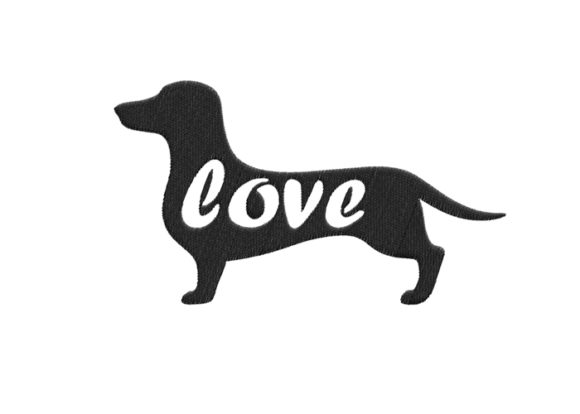
I have been designing and selling machine embroidery at craft fairs for over a decade, and I can tell you within seconds whether a design will stop a shopper mid-stride. The Dachshund Silhouette is one of those rare embroidery files that feels like it was made for handmade market tables. It is a stunning machine embroidery design that comes in five sizes, and before I even load it onto my machine, I already know where it belongs in my booth lineup. The silhouette approach strips away clutter and gives you a clean, recognizable shape that reads clearly from across a busy fair aisle. That instant recognition matters more than most new embroidery sellers realize.
When a customer glances at a table filled with embroidered tote bags, tea towels, and aprons, their eye naturally lands on designs they can process in under a second. The Dachshund Silhouette does exactly that. It communicates warmth, personality, and breed love without overwhelming the viewer with excessive detail. For anyone building a booth around pet-themed handmade products, this design belongs in the core rotation.
First Impressions and Visual Punch at a Craft Fair
Unpacking the Dachshund Silhouette design file for the first time, I immediately pictured it stitched on a natural linen tote bag with a muted thread palette. The silhouette carries a modern farmhouse feel that blends beautifully with the rustic, handcrafted aesthetic that dominates so many successful craft fair booths today. It is not overly cute or cartoonish, and it is not aggressively formal either. Instead, it occupies a versatile middle ground that appeals to a broad range of buyers, from young pet owners to older shoppers looking for tasteful pet-themed kitchen décor.
Because the design comes with an included color chart, I can quickly plan thread selections that complement my existing fabric inventory. The multiple embroidery file formats also mean I can run it on my primary machine without frustrating format conversions. That kind of flexibility is essential when you are prepping dozens of finished products in the week leading up to a big market weekend.
Where the Dachshund Silhouette Performs Best
Not every machine embroidery design works equally well on every blank. Part of my pre-production routine is mentally mapping a design to specific products, and the Dachshund Silhouette gives me plenty of options. Here is where I expect it to shine brightest on my craft fair table.
Tote Bags and Market Bags
A sturdy canvas tote with this silhouette stitched near the bottom corner creates an understated, elegant look. The elongated body of the dachshund naturally fits the vertical proportions of a standard tote bag side panel. I plan to offer these in natural, charcoal, and oatmeal canvas, with thread colors that contrast just enough to stay visible without screaming for attention. Tote bag designs at craft fairs need to feel like an accessory someone would actually carry in public, and this silhouette hits that note perfectly.
Tea Towels and Kitchen Linens
Tea towel embroidery is a mainstay of handmade markets, and the Dachshund Silhouette feels purpose-built for it. A single silhouette stitched on a flour sack towel near the hemline, paired with a simple striped or woven texture, reads as intentional and giftable. I can already see these selling in sets of two or three, packaged with a simple twine wrap and a kraft paper tag. The five included sizes let me scale the design appropriately for different towel dimensions without losing clarity.
Aprons and Kitchen Wear
An apron with this embroidered silhouette placed on the bib or along a pocket edge adds character without overwhelming the functional surface. Many of my apron buyers are purchasing gifts for dog-loving home cooks, and a breed-specific design like this often converts casual browsers into buyers. I am also considering a child-sized apron version using the smallest of the five provided sizes.
Embroidered Patches and Small Accents
Patches are having a major moment at craft fairs right now. Stitching the Dachshund Silhouette on felt or twill backing and finishing the edges cleanly gives me a portable, high-margin product that shoppers can add to denim jackets, backpacks, or pet-themed tote bags. The silhouette approach works especially well for patches because intricate internal details can get lost at smaller patch sizes, but a bold outline holds up beautifully.
Pillow Covers and Home Décor
A throw pillow cover with this design centered or offset in one corner gives me a premium home décor item for my booth display. I plan to use a linen-cotton blend cover and a matte embroidery thread for a soft, lived-in look. Home décor items typically carry higher price points at craft fairs, and the Dachshund Silhouette has the aesthetic weight to justify that pricing.
Understanding How Size Affects the Design
The fact that this design comes in five sizes is a significant advantage, but I need to be thoughtful about which size I use for each product type. Smaller versions of silhouette designs can lose impact if the stitch density is not properly managed or if the fabric texture competes with the thread. For textured towels or thicker woven fabrics, I plan to lean toward the larger end of the size range to ensure the silhouette stays crisp and readable.
Conversely, for delicate items like small fabric pouches or zipper bags, a mid-range size keeps the design proportional without overwhelming the product surface. I always recommend testing at least two sizes on the actual blank before committing to batch production, because what looks balanced on screen does not always translate perfectly once stitched onto textured or curved surfaces.
Practical Production Notes from My Embroidery Studio
Before I run a single stitch on a finished product, I follow a testing routine that has saved me from countless ruined blanks and wasted hours. For the Dachshund Silhouette, here is what my pre-production checklist looks like.
Test on scrap fabric first. I never skip this step, even with a design I trust. Running the file on a piece of fabric similar to my final blank lets me check how the stitches behave under real conditions. I watch for any unexpected thread breaks, tension issues, or areas where the stitch density feels too heavy for the fabric weight.
Review stitch density carefully. Silhouette designs often rely on solid fill areas to create their impact, and dense stitching can pucker lightweight fabrics or make thicker fabrics feel stiff. If the fill density is too high for a particular blank, I adjust my stabilizer choice rather than altering the design file itself.
Choose the right stabilizer for each product. For tote bags and aprons, I use a medium-weight cutaway stabilizer. For tea towels, a tear-away stabilizer works better to keep the back of the fabric soft and absorbent. Patches require a completely different approach, usually a heavy cutaway or a specialty patch backing material.
Confirm your hoop size before starting. The five sizes included with this design mean I need to match each version to the correct hoop for my machine. Guessing the hoop size leads to registration errors and wasted blanks, so I double-check this well before production day.
Check thread contrast on the actual fabric. A thread color that looks perfectly visible under my studio lights can disappear against certain fabric colors in natural fair lighting. I test at least two thread color options, especially on darker fabrics where contrast is critical to making the silhouette legible.
Create at least one real mockup. I do not rely solely on digital previews or printable mockups to make selling decisions. Stitching a physical sample and photographing it under the kind of lighting I will have at the craft fair gives me an honest assessment of how the design performs as a finished product.
Dark Fabric and Textured Surface Challenges
The Dachshund Silhouette, like any silhouette-heavy design, demands thoughtful fabric selection. On very dark fabrics such as black canvas or deep navy denim, the silhouette can recede unless I use a thread color with enough brightness or contrast to pop. I have learned through experience that a medium-toned warm gray or an oatmeal-colored thread often reads better on dark backgrounds than pure white, which can look harsh or stark under fair lighting.
Textured towels also deserve special attention. Heavy slubs, waffle weaves, or thick terry cloth can break up the clean edge of a silhouette and make it look fuzzy or imprecise. I plan to reserve my textured towel blanks for larger versions of the design and use a water-soluble topping to keep the stitches sitting cleanly on the surface during embroidery.
Curved Surfaces and Cap Embroidery
Caps are a popular product at my craft fair booth, but curved cap surfaces are unforgiving for designs with long horizontal or vertical spans. The elongated shape of the Dachshund Silhouette means I need to test it on a structured cap before adding it to my cap lineup. If the design arcs awkwardly over the cap seam, I may need to position it carefully or reserve it for flat-front cap styles instead. Small patches with this design offer a more predictable alternative for headwear products.
Photographing Finished Products for Online Listings
Many of my craft fair products also sell through my Etsy shop, and the Dachshund Silhouette photographs beautifully. Silhouette designs produce clean, high-contrast images that look professional even with basic product photography setups. A simple flat lay of an embroidered tote bag with natural light and a neutral background is often enough to create a listing photo that communicates quality and draws clicks.
I also appreciate that the design does not rely on tiny details or small lettering to convey its message. Those elements can blur or pixelate in listing thumbnails, reducing click-through rates. A bold silhouette stays recognizable even at small thumbnail sizes, which directly benefits online sales performance.
Brand Consistency and Booth Display Strength
One of my priorities as a handmade business owner is maintaining a cohesive look across my product range. The Dachshund Silhouette fits seamlessly into a broader collection of pet-themed embroidery designs without clashing stylistically. Its clean lines and unfussy presentation mean I can display it alongside other breed silhouettes, paw print accents, or nature-inspired motifs, and the overall table presentation feels intentional rather than chaotic.
A strong booth display depends on visual repetition and clear product categories. Grouping all my dachshund-themed items together creates a focused sub-collection that encourages multi-item purchases. A shopper who picks up a dachshund tea towel is far more likely to add a matching tote bag or patch if they see them arranged as a set.
Production Repeatability and Batch Efficiency
When I am prepping inventory for a busy craft fair weekend, I need designs that stitch reliably without constant babysitting. The Dachshund Silhouette, with its clean shapes and absence of intricate internal detail, likely runs efficiently once I have dialed in the stabilizer and thread settings. Fewer thread changes and simpler stitch paths mean I can produce more finished items in a given stitching window, which directly impacts my profitability per market day.
I still monitor the first few runs closely to confirm that the stitch order makes sense and that there are no unnecessary trims or jumps that slow down production. But overall, a well-built silhouette design tends to be a production-friendly choice.
Important Checks Before Selling Finished Products
Before I stitch the Dachshund Silhouette onto any product I plan to sell, I confirm the commercial licensing terms. The product description indicates this design can be used in multiple embroidery contexts, but I always verify that physical finished products made with the design are permitted for sale at craft fairs and on platforms like Etsy. Assuming licensing without checking is a risk no small shop owner should take.
I also keep my original embroidery file backed up in multiple locations and organize my design assets with clear naming conventions so I can quickly locate the correct size and format when I need to restitch a popular product mid-season. Good file management is as important as good stitching when you are running a handmade product business.
Final Judgment as a Craft Fair Seller
The Dachshund Silhouette earns its place in my production queue because it checks the boxes that matter for in-person selling. It reads quickly from a distance, photographs well for online listings, adapts to multiple product types, and appeals to a dedicated segment of pet-loving buyers who actively seek out breed-specific handmade items. The five included sizes give me flexibility, the color chart streamlines my thread planning, and the silhouette style ensures the design will not look dated a season from now.
I plan to lead with this design on tote bags and tea towels at my next craft fair, with patches and pillow covers as complementary offerings. If the response matches my expectations, I will expand it into aprons and small pouches for the following market. For any embroidery business owner or Etsy seller looking to strengthen their pet-themed product line, the Dachshund Silhouette is a design worth testing.