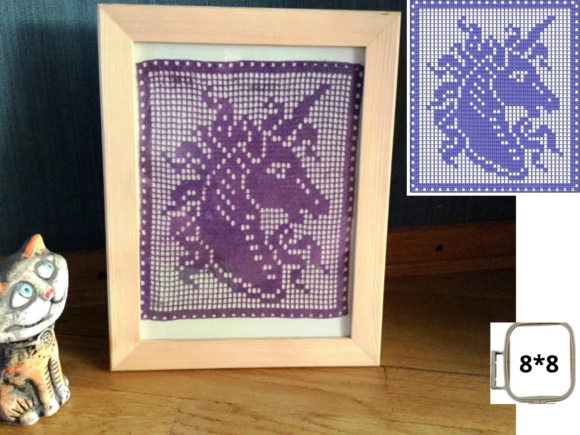
FSL Unicorn Doily: A Vintage-Inspired Design for Modern Makers
When a new embroidery file lands in my library, I look at it through a very practical lens. My first question isn’t just “Is it pretty?” but “How will it actually perform when I hit start on the machine?” Today, I’m considering the FSL Unicorn Doily, a design that promises a touch of vintage fantasy. Let’s walk through what this means for your next project.
The First Impression: Nostalgia with a Mythical Twist
Opening the file, the mood is immediately clear. It’s whimsical yet elegant, drawing from those classic, illustrative styles found in old fairy tale books. The unicorn’s form is graceful, with flowing lines and a delicate, almost regal posture. This isn’t a hyper-realistic or cartoonish design; it has a visual personality rooted in illustrated art. That gives it a certain timelessness, which I find incredibly valuable for products meant as keepsakes or gifts. The layout as a doily or circular motif suggests it’s meant to be a focal point, not just an accent. For makers targeting customers who love Fairy Tales but with a sophisticated, handmade presentation, this design hits a sweet spot.
Where This Unicorn Finds Its Home: Real Project Scenarios
I’m picturing a specific scenario: a client orders a custom baby blanket for a nursery themed around stories and magic. I need a design that feels special, not generic, and can stand as a beautiful centerpiece. The FSL Unicorn Doily comes to mind immediately. Its circular format would frame the unicorn perfectly on a blanket corner or pillow cover. But my thinking doesn’t stop there.
This design’s aesthetic lends itself beautifully to a range of handmade products. Imagine it embroidered on a linen tote bag—it elevates a simple bag into a boutique-ready item. On a high-quality cotton sweatshirt, it becomes a statement piece of custom apparel. For small shop merchandise like tea towels or apron fronts, it adds that artisanal, illustrated charm that customers browsing Etsy listings or craft fairs often seek. It’s also a strong candidate for creating an embroidered patch, which could be applied to anything from jackets to backpacks, offering versatility for your craft business.
Considering the Stitching Reality
Moving from the idea to the machine requires some practical judgment. The design appears to have a mix of elements—likely outlines, some fill areas, and finer details. Without knowing the exact stitch count, I approach it with standard best practices. For a design with this level of detail and a circular border, hoop size is crucial. You’ll need a hoop large enough to capture the entire motif cleanly, especially if those outer doily details are intricate. Always test the design on scrap fabric first, using the same material you plan for the final project. This is non-negotiable.
Given the vintage-inspired, possibly fine lines, stitch density and thread colors will greatly affect clarity. On light fabrics, a classic palette of whites, creams, and soft pastels would enhance the vintage feel. On dark fabric, you’ll need to choose thread with high contrast—perhaps a crisp white or silver—and possibly adjust your stabilizer strategy to ensure the details pop without puckering. The design’s success on textured fabrics like sweaters or on stretchy fabric like t-shirts will depend heavily on using the correct, heavy-duty stabilizer.
Spots to Approach with Care
Every design has its ideal applications and its less-suited ones. The FSL Unicorn Doily, with its likely detailed corners and central figure, might struggle if forced into a very small hoop size. Compressing it could lose the elegance of the lines. Similarly, applying it to a curved surface like caps requires careful placement so the circular shape doesn’t distort.
For products destined for frequent washing, like kitchen towels or baby items, you’d want to ensure the stitch structure is secure and the threads are high-quality to maintain integrity over time. This is where your test run on scrap fabric pays off—you can see how the stitches hold and make any necessary adjustments to tension or stabilizer before committing to a final, sellable product.
The Impact on Your Business and Your Client
Why does this practical analysis matter? Because the final finished product directly influences customer trust, product value, and your brand consistency. A beautifully executed unicorn doily on a pillow cover isn’t just a sale; it’s a demonstration of your skill. It enhances visual appeal and stitching clarity, making the item feel professional and precious. For a personalized gift, like a wedding or holiday embroidery gift, that quality translates directly into emotional value.
For digital product sellers and creative entrepreneurs offering this as a design asset, providing clear usage notes based on this kind of real-use thinking—like recommending ideal hoop sizes or fabric types—adds tremendous value to your file and builds buyer engagement. They’re buying expertise, not just a pattern.
A Maker’s Final Checklist Before Hooping
So, before I load this machine embroidery design for a real client order, my mental checklist is straightforward. I’ll review the file details I have, confirm the licensing for commercial embroidery use, and then run my practical tests:
- Stitch it out on a scrap of my target fabric—a linen for a tote bag, in this case.
- Check thread color contrast against both light and dark backgrounds, perhaps even creating simple printable mockups to visualize final products.
- Inspect the small details after stitching: are the unicorn’s features clear? Do the doily lines connect smoothly?
- Confirm my machine settings and stabilizer are matched to the fabric texture and the design’s density.
This process turns a digital file into a reliable, beautiful embroidery project. The FSL Unicorn Doily, with its charming vintage roots, has the potential to become a standout element in your portfolio of handmade products. It invites a story, and when stitched with care, it tells that story with every thread.