Linework Star of David: A Designer's Review for Craft Fair Success
As an embroidery designer preparing for a weekend craft fair, every design in my catalog gets a practical review. I look at it not just as a digital file, but as a future product sitting on my booth table. Today, I'm evaluating the Linework Star of David embroidery design for handmade market products. The goal is simple: will this design sell, look beautiful in person, and be practical to produce in batches?
First Impressions: Modern, Minimal, and Meaningful
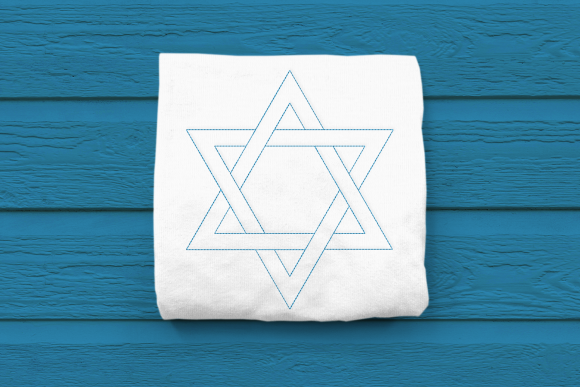
The title tells me a lot. Linework suggests a modern, minimal aesthetic—clean lines without fill stitches. This is a significant advantage. A design described as linework typically translates to faster stitching times and less thread consumption, which is crucial for batch production. The subject, the Star of David, immediately places this in the Religion category, but the style feels decorative and elegant rather than overtly festive or rustic. This gives it a premium, versatile quality. It’s a symbol of faith rendered in a contemporary way, which can appeal to customers looking for something understated yet meaningful for their home or wardrobe.
Product Performance: Where This Design Stands Out
My booth display typically includes tote bags, aprons, tea towels, patches, caps, pouches, pillow covers, and giftable items. I mentally place the Linework Star of David on each one.
Tote Bags & Market Bags
This is a prime candidate. The clean lines would look striking on a solid-color canvas tote. It works as a focal point, not just an accent. Because it's available in multiple sizes, I can choose a medium to large version for the bag's front panel. The simplicity ensures it doesn't look overly busy, making the bag feel like a sophisticated, handmade product rather than a novelty item.
Aprons & Kitchen Towels
For an apron embroidery or tea towel embroidery, this design offers a beautiful decorative touch. On a linen apron or a textured towel, the linework must be tested. Open, less dense designs can sometimes get lost on textured fabrics. I'd recommend a good stabilizer and possibly a slightly larger size to maintain clarity. It would create a lovely, thoughtful gift item.
Caps & Embroidered Patches
Caps are tricky with any design due to the curved surface. A linework design like this, especially at a smaller size, could be perfect. It avoids the bulk of dense fill stitches that can pucker on curves. As an embroidered patch, it would be exceptionally clean and easy to apply, appealing to customers who want to add the symbol to a jacket or backpack.
Pillow Covers & Small Pouches
For home decor like pillow covers, this design leans elegant. A single, centered Star of David in a neutral linen would be a strong seller. On small fabric pouches, it becomes a delicate accent. This versatility across product types is a major selling point for a small shop product.
Practical Production & Selling Points
Beyond aesthetics, I have to think like a producer and a seller at the fair.
Customer Understanding at a Glance
At a busy craft fair, customers scan quickly. This design is instantly recognizable. Its meaning is clear, which helps a buyer decide rapidly. It doesn't require explanation, which is a huge advantage for booth engagement.
Scale & Photographing for Online Sales
The availability in 7 different sizes is a commercial dream. I can use a large size for a tote bag focal point and a tiny size for a subtle cap embroidery. This flexibility allows for product variety without needing multiple digital embroidery files. For my Etsy seller listings, a linework design photographs beautifully. It creates sharp, clean lines in printable mockups and on real products, highlighting the handmade quality without looking messy.
Batch Production & Repeatability
For producing a batch of, say, twenty tote bags, a less dense machine embroidery design is faster and more consistent. Lower stitch density means less chance of thread breaks or fabric puckering, especially on thicker fabrics like bag canvas. This design feels inherently repeatable for commercial embroidery.
Careful-Use Notes for the Working Designer
No review is complete without practical warnings. Based on the description alone, here are my designer notes for using the Linework Star of David.
- Small Sizes & Clarity: While having seven sizes is great, I must test the smallest size on scrap fabric. True linework can lose definition if the lines are too fine, especially on dark fabric where contrast is key. I would check thread contrast carefully—a bright white or gold thread on dark fabric would be stunning.
- Fabric Texture: On textured towels or nubby linen, the lines might not appear as crisp. Using the right stabilizer and potentially a slightly larger hoop size than usual is advised.
- Stitch Integrity: Since it's linework, I'd inspect the file's stitch density and spacing in a preview. Are the lines single-run stitches or triple-run? This affects boldness. Without this detail in the description, I must review the actual file spacing before production.
- Commercial Licensing: The description doesn't specify license terms. Before selling any finished product, I must confirm commercial licensing for the embroidery file. This is a non-negotiable step for any digital seller.
Final Booth Display Strategy
In my real craft fair scenario, I would create at least one real mockup—a simple linen pillow cover or a canvas tote. This real item becomes my booth sample. It shows customers the tangible quality. I'd compare fabric colors to find the best backdrop: perhaps a navy tote for a white thread design, or a cream pillow for a gold thread version. The Linework Star of David, given its elegant minimalism, would likely be placed in my "Home & Gift" section alongside other decorative items, not crammed with flashy holiday goods. This positioning reinforces its premium value and handmade quality, encouraging a customer to see it as a lasting piece, not just a craft fair impulse buy. It strengthens brand consistency for a maker focused on clean, meaningful design.
In summary, from a professional embroidery designer's point of view, the Linework Star of David is a strong contender for craft fair products. Its modern style, instant recognizability, and production-friendly profile make it a practical and potentially profitable choice. My final advice is to leverage its multiple sizes to create a cohesive product line across different items, always testing on actual fabrics first, and ensuring every legal and technical detail is checked before stitching the first sale item. That's how a digital file becomes a successful handmade product.