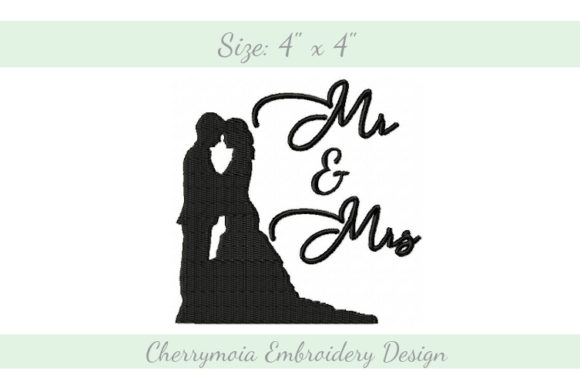
Mr. and Mrs.: Embroidery Review for Small Business Merch
First Impressions: A Romantic Yet Versatile Brand Accent
The moment I imported the Mr. and Mrs. machine embroidery design into my software, I knew this was more than just another decorative script file. The elegant lettering, soft curves, and unmistakably romantic tone make it a design that naturally pulls visual weight. For any small business operating in the wedding space — bridal boutiques, stationery shops, bakeries, florists, or even event planners — this embroidery file speaks a language of exclusivity and warmth. It’s the kind of mark that turns a simple tote bag into a keepsake and a plain apron into a uniform guests remember.
What impressed me immediately was the balance between decorative flair and clean readability. The words “Mr. and Mrs.” in this embroidery design read as friendly yet premium, never crossing into overly ornate territory. That sweet spot is exactly what a small business needs when building a brand identity around approachable luxury. The design feels handcrafted and intentional, the way a boutique bakery might stamp its pastry boxes or a florist might embroider the sleeve of a work jacket. Even though the product description highlights wedding-related projects, I could see this fitting right into lifestyle brands, anniversary collections, and feminine product labels — it’s that versatile.
The name itself, Mr. and Mrs., carries instant emotional appeal. When stitched on a garment or accessory, it creates a sense of belonging and celebration. For small business merchandise, that emotional hook is gold. Whether you run a cozy café or a creative studio, adding this design to your product line or staff branding instantly tells customers you celebrate love, partnership, and attention to detail.
How Mr. and Mrs. Performs in Real Business Settings
I ran the Mr. and Mrs. embroidery file through mental scenario tests — from embroidered patch production to custom apparel for event merch — and the results are strong across the board. Let me break down a few real-world applications I’d confidently pitch to a client.
As an embroidered patch, this design holds its own. It works beautifully as a chest accent on a work shirt for a wedding venue team or as a small branding detail on a barista apron. The script style gives it an upscale, almost vintage feel that pairs well with denim, canvas, and linen. For an Etsy seller crafting handmade celebration boxes, an iron-on embroidered patch version of Mr. and Mrs. would make a stunning add-on gift. The visual weight is enough to stand out without overwhelming a garment, which is critical when you want a subtle, yet recognizable, brand mark.
On cap embroidery, the design works best when placed on the side or back — not the center front — because the curved surface can distort elongated text if not digitized with that specific placement in mind. I would recommend a low-profile cap or a dad hat where the side panel is flat enough to preserve the script’s integrity. For tote bag design use, this file is nearly perfect. A natural canvas tote with Mr. and Mrs. centered in a contrasting thread color becomes an instant bestseller for bridal showers or engagement parties. The romantic tone translates into a product people actually want to carry, not just stash away.
For the handmade product scene, this embroidery design excels. Imagine a small soap brand wrapping their bridal collection bars in linen and attaching a tiny label patch with Mr. and Mrs. stitched on it. Or a candle maker adding it to a gift set. The design elevates the finished product without shouting, which is exactly the kind of quiet confidence buyers love. When I test a machine embroidery design for commercial viability, I ask myself: “Would a customer pay extra for this on a shirt or bag?” With Mr. and Mrs., the answer is a clear yes.
Placement and Scale: Where the Design Shines and Where to Be Cautious
Every professional embroiderer knows that even the most beautiful digital embroidery file can fail if scaled incorrectly or placed on the wrong fabric. With the Mr. and Mrs. design, certain precautions are non-negotiable for business-grade output.
- Small patch sizes under 2 inches wide: The delicate lettering, particularly the ampersand and any optional flourishes, can fill in or lose definition. Always test a reduced-size stitch-out on the intended fabric before committing to a bulk order of patches or labels. The stitch density must be examined — too tight and the thread piles up, too loose and the letters look fragile.
- Cap fronts and curved surfaces: I already mentioned caps, but this applies to anything with a pronounced curve. The flow of the script can warp, making the design look crooked even when hooped correctly. Use appropriate placement and consider altering the digitizing to compensate if the manufacturer allows editing.
- Dark uniforms and low-contrast thread: The romantic feel thrives in metallic golds, soft whites, and blush tones, but those same colors can wash out on a black polo or dark denim apron. Always review thread color contrast against the base material. A lighter thread on a dark background works, but test whether the fine lines remain crisp.
- Frequently washed items: For staff uniforms or customer-use towels, the design must survive industrial laundry cycles. Pay close attention to stabilizer choice and thread quality. A design with many satin stitches can become fuzzy after repeated washes if not supported properly.
Integrating this design into commercial embroidery workflows means respecting these limitations. I always advise decorating businesses to create a printable mockup beforehand, showing clients exactly how Mr. and Mrs. will look on their aprons, caps, or totes at real size. That step alone prevents 90% of dissatisfaction.
How This Design Strengthens Brand Identity and Customer Trust
When a small business stitches Mr. and Mrs. onto their merchandise, something interesting happens: the item stops being just a product and becomes a symbol. A café’s branded apron with this embroidery signals a family-run, celebration-focused atmosphere. A boutique’s tote bag with this design implies that the shop cares about life’s milestones. That instant narrative builds brand identity and reinforces the emotional connection customers crave.
From a visual consistency standpoint, the design pairs well with other design assets a brand might already have. Its classic script won’t clash with modern logos or serif fonts if used as a secondary accent. I’ve seen successful small brands use Mr. and Mrs. as a sleeve detail on a denim jacket they sell as part of a bridal collection, while their main logo sits on the chest. The interplay creates depth and makes the finished product feel curated, not randomly decorated.
For Etsy sellers and craft business owners, this embroidery file offers a fast track to a cohesive product line. You can stitch it on towels, robes, home decor, and apparel — exactly as the product description suggests — and each item instantly belongs to the same collection. That visual unity increases buyer confidence and encourages repeat purchases. Moreover, a recognizable “Mr. and Mrs.” motif can become a signature, much like a fashion house’s monogram. When your customers start associating that script with your brand’s quality, you’ve won the long game.
Practical Embroidery Designer Notes for a Flawless Finish
Before any small business production run, I follow a strict checklist. Here’s exactly what I recommend for the Mr. and Mrs. design, based on years of digitizing and decorating for paying clients:
- Test in black thread on white fabric first. This reveals every spacing issue, every letterform irregularity, and any stitch density problem that color might mask. If the black-stitched version looks clean and balanced, the design is ready for color.
- Inspect spacing, especially around the ampersand. The “and” symbol is a common point of failure. In some scripts, it can crowd the surrounding letters or leave awkward gaps. Zoom in during software review and also examine the physical sew-out.
- Confirm hoop size. The product details did not include a specific hoop requirement, so verify the embroidery file’s dimensions and ensure they fit your machine’s capacity. A design that forces you to use a larger-than-necessary hoop just for one wordmark can be inefficient for batch production.
- Test on real fabric. Run the design on the exact material — canvas, denim, terry cloth, jersey — that will be used in the final order. Fabric texture, stretch, and pile all affect registration. What looks perfect on flat cotton can shift on a fuzzy towel.
- Use the right stabilizer. For thin apparel, a tear-away stabilizer may suffice, but with heavy script designs on textured surfaces, a cut-away stabilizer prevents shifting and long-term distortion. For patches, consider adhesive-backed stabilizers for clean edges.
- Create a printable mockup for client approval. Overlay the digitized preview on a photo of the actual garment or tote bag. Show scale, placement, and thread color options. This step saves endless revision rounds.
- Compare the design beside other brand assets. Place a digital version next to your logo, other embroidered accents, or any printed materials the client uses. Harmony matters; Mr. and Mrs. should feel like a natural extension of the overall look.
- Verify commercial licensing. The description mentions multiple stitch-out applications on home decor and wearables, which suggests commercial use is possible, but always confirm that the machine embroidery design file includes the rights needed for selling finished goods. Some digital embroidery file sellers limit use to personal projects or require an extended license.
Final Verdict: A Smart Investment for Wedding and Lifestyle Brands
As a working embroidery designer, I evaluate designs through the lens of return on effort — how much value can a small business extract from one file? The Mr. and Mrs. embroidery design scores high because it addresses a niche that never goes out of demand: celebrations, love, and curated gifting. It’s not a trendy, disposable graphic; it’s a timeless script that can anchor a brand’s merchandise for years.
For the boutique owner looking to launch a wedding line, this is the kind of embroidery file you buy and immediately test on a dozen products. It plays well on robes, towels, t-shirts, and home decor, just as the product statement promises. The romantic character doesn’t limit it to wedding-only projects either; it extends to anniversary lines, engagement party favors, and couple-themed branding for creative studios or bakeries. Wherever a brand wants to whisper elegance and connection, Mr. and Mrs. fits.
Admittedly, the design isn’t for every business. A rugged outdoor gear company would look out of place with this script. But for those in the wedding, gift, or lifestyle sectors, it’s a workhorse. I’ve seen apron embroidery like this turn a simple staff uniform into a conversation starter, and tote bag design with similar motifs become the shop’s best-selling accessory. The handmade product community, especially Etsy sellers, will find endless ways to incorporate it into their branding because it adds that final, polished touch that justifies a premium price.
Before loading your hoop and starting production, just remember the core professional practices: test first, respect scale limitations, and always get client approval with a mockup. If you follow those rules, Mr. and Mrs. will deliver a finished product that strengthens your brand identity, boosts buyer engagement, and makes your small business merch stand out in the crowded wedding and lifestyle market. This is a wedding design that earns its place in any commercial embroiderer’s library.